
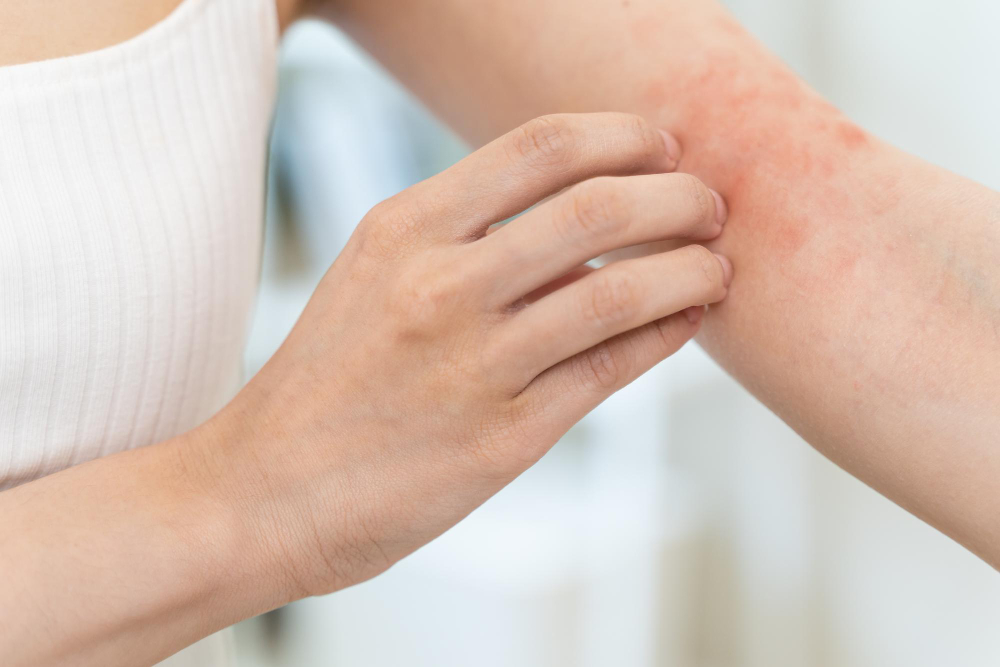
Monsoon skin infections are common during the rainy season. The warm and humid weather creates the perfect environment for germs to grow. As a result, many people experience skin problems like rashes, itching, and fungal infections. In this blog, you will learn about monsoon skin infections, how to prevent them, and the best treatment tips. Staying informed can help you keep your skin healthy and comfortable all season long.
Common Types of Monsoon Skin Infections
During the monsoon, several skin infections become more frequent. Because the air is moist, germs and fungi can spread easily. Here are some common types:
Symptoms to Watch For
It is important to notice early signs of skin infections. Early treatment can prevent problems from getting worse. Look out for these symptoms:
If you notice any of these signs, you should take action quickly. Sometimes, mild symptoms can turn serious if ignored.
Causes and Risk Factors
Monsoon skin infections have several causes. The main reason is the increase in moisture and warmth. However, other factors can also raise your risk:
Because the rainy season makes it hard to keep skin dry, extra care is needed. Even small cuts or scratches can become infected more easily during this time.
Diagnosis and When to See a Doctor
Most mild skin infections can be managed at home. But sometimes, you need a doctor’s help. You should see a dermatologist if:
Doctors may check your skin and ask about your symptoms. Sometimes, they may take a small sample to find out the cause. Early diagnosis helps prevent complications and speeds up recovery.
Effective Treatment Options
There are many ways to treat monsoon skin infections. The right treatment depends on the type of infection. Here are some common options:
Always follow your doctor’s advice. Do not stop treatment early, even if symptoms improve. This helps prevent the infection from coming back.
Prevention Tips for Healthy Skin During Monsoon
Preventing skin infections is easier than treating them. With a few simple steps, you can protect your skin during the rainy season:
By following these tips, you can lower your risk of getting skin infections during the monsoon.
Lifestyle and Home Care Guidance
Besides medical treatment, good home care helps your skin heal faster. Here are some helpful lifestyle tips:
Because prevention is better than cure, these habits can help you stay healthy all season.
Conclusion
Monsoon skin infections are common but can be managed with the right care. Early attention to symptoms, good hygiene, and simple prevention steps can keep your skin healthy. If you notice persistent or severe skin problems during the rainy season, consult a dermatologist for personalized care and treatment.