
Introduction
Many people want smoother, healthier skin. But with so many options, choosing the best skin treatment can be confusing. Chemical Peels vs Microneedling is a common question. Both treatments can help with acne scars, fine lines, and uneven skin tone. However, they work in different ways. Understanding these differences is important for your skin health. This guide will help you decide which treatment may be right for you.
What Are Chemical Peels?
Chemical peels are safe cosmetic procedures that use special solutions to remove the top layers of skin. As a result, new, smoother skin can grow. Dermatologists often use chemical peels to treat wrinkles, sun damage, and some types of acne. According to the American Academy of Dermatology, chemical peels are a trusted way to refresh your skin.
What Is Microneedling?
Microneedling is a skin treatment that uses tiny needles to make small holes in the skin. These tiny injuries help your skin heal and produce more collagen. Collagen is a protein that keeps skin firm and smooth. Many people choose microneedling for acne scars, fine lines, and large pores. It is also known as collagen induction therapy.
How Do Chemical Peels Work?
Chemical peels use acids, such as glycolic or salicylic acid, to gently remove the top layer of skin. This process reveals fresh, new skin underneath. There are three main types:
After a peel, your skin may feel tight or look red. However, most people recover in a few days to a week. Benefits include smoother skin, fewer dark spots, and a brighter look. For best results, follow your dermatologist’s aftercare advice.
How Does Microneedling Work?
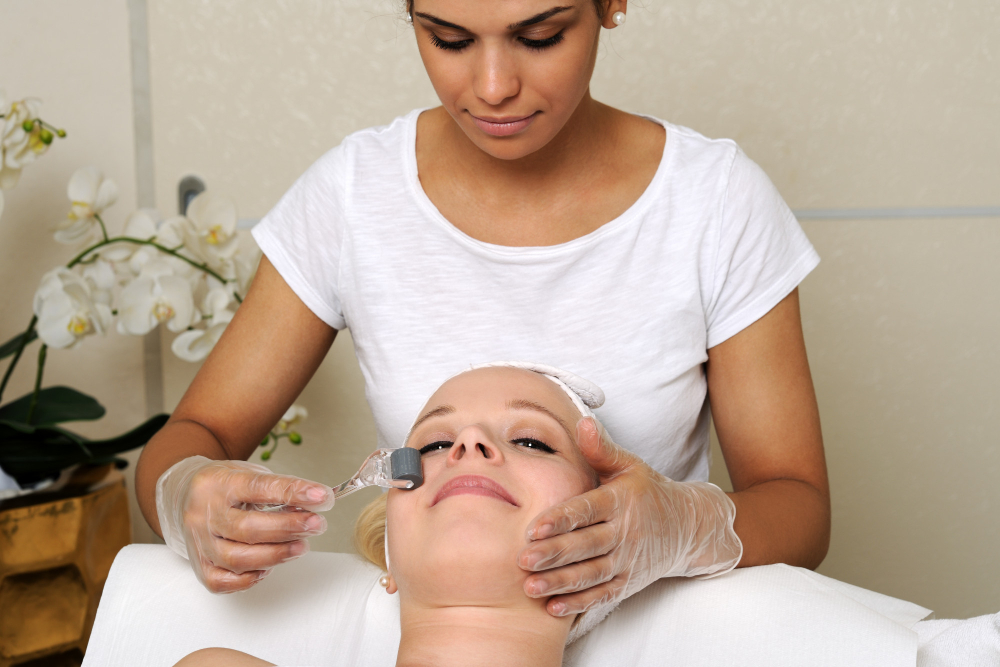
During microneedling, a device with fine needles rolls over your skin. This creates tiny holes that trigger your body’s healing process. As a result, your skin makes more collagen and elastin. These proteins help your skin look younger and firmer. The procedure usually takes less than an hour. Most people feel only mild discomfort. Recovery is quick, with redness fading in a day or two. Benefits include reduced acne scars, smaller pores, and smoother texture. For deeper scars, several sessions may be needed.
Chemical Peels vs Microneedling: Key Differences
Because each treatment has unique benefits, your choice depends on your skin goals.
Who Should Consider Chemical Peels?
Chemical peels may be right for you if you want to:
However, people with very sensitive skin or certain skin conditions should talk to a dermatologist first. Not all peels are safe for darker skin tones, so expert advice is important.
Who Should Consider Microneedling?
Microneedling is a good choice if you want to:
Because microneedling works for many skin types, it is often safe for darker skin. Still, always check with a trained professional before starting treatment.
Risks and Side Effects
Both treatments are generally safe when done by experts. However, there are some risks:
To lower risks, always choose a board-certified dermatologist or licensed provider. According to the American Academy of Dermatology, following aftercare instructions helps prevent problems.
How to Choose the Right Treatment for Your Skin Type
Choosing between chemical peels and microneedling depends on your skin type and goals. For example, if you have deep acne scars, microneedling may work better. If you want to brighten dull skin, a chemical peel might help. Consider these tips:
With expert help, you can find the best skin treatment for your needs.
Prevention and Aftercare Tips
Proper care before and after treatment helps you get the best results. Here are some tips:
Because your skin will be sensitive, gentle care is key. This helps prevent problems and keeps your skin looking its best.
Conclusion
Both chemical peels and microneedling are safe cosmetic procedures that can improve your skin. However, the right choice depends on your skin type, concerns, and goals. For the best advice, consult a board-certified dermatologist to find the best treatment for your unique skin needs.