
Introduction
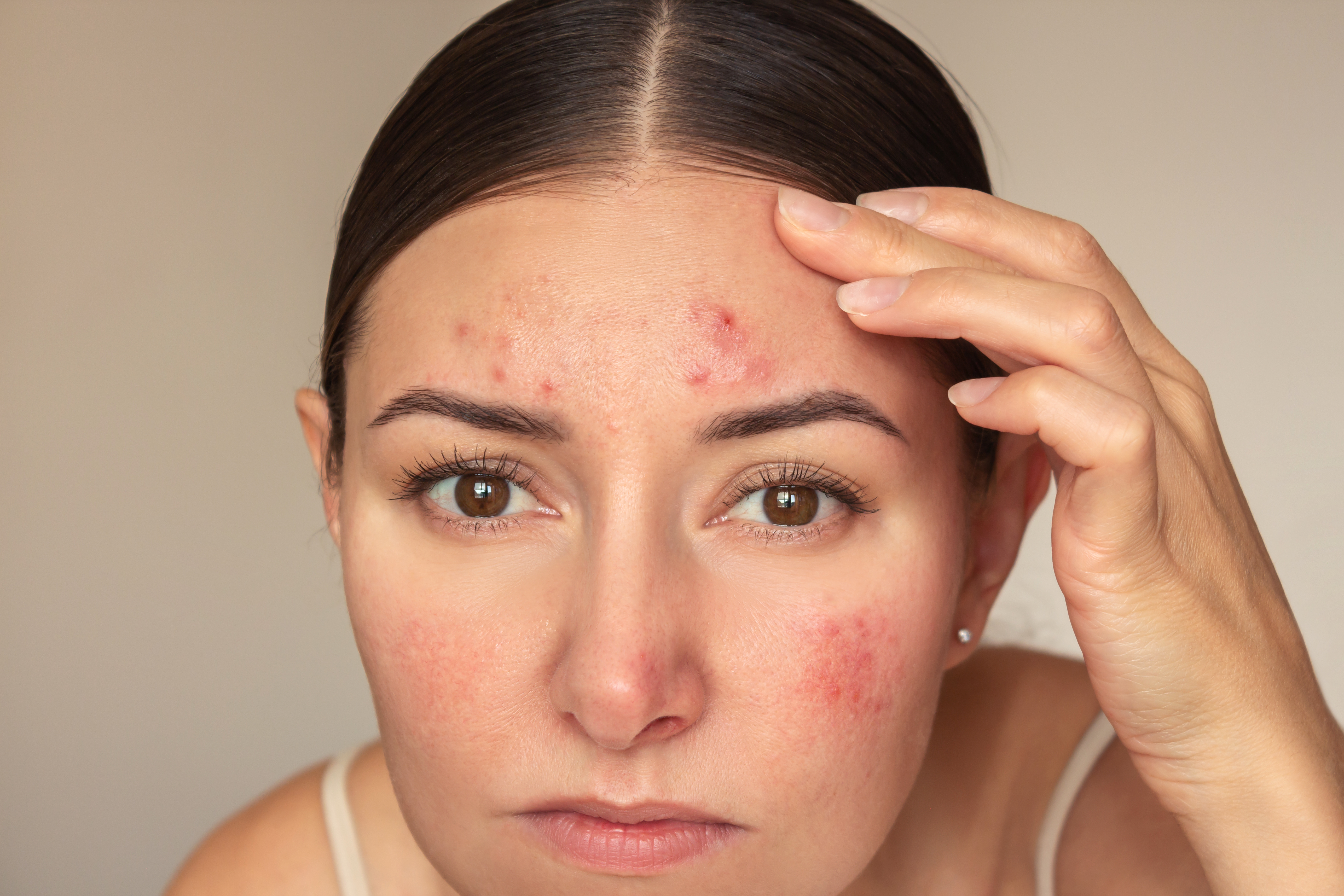
Many people confuse rosacea and acne because both cause red bumps on the face. However, they are different skin conditions. Understanding the difference between rosacea and acne is important for proper care. In this blog, we will explain what rosacea and acne are, their symptoms, causes, and the best treatment options. This guide will help you learn how to identify rosacea or acne and choose the right steps for healthy skin.
What is Rosacea?
Rosacea is a long-lasting skin condition. It often causes redness, visible blood vessels, and small bumps on the face. Usually, it affects adults over 30. Sometimes, rosacea can make the skin feel hot or sting. According to the American Academy of Dermatology, rosacea is not caused by poor hygiene. Instead, it is a medical condition that needs care.
What is Acne?
Acne is a common skin problem, especially in teenagers and young adults. It happens when hair follicles get clogged with oil and dead skin cells. As a result, pimples, blackheads, and whiteheads appear. Acne can show up on the face, chest, back, or shoulders. While acne is most common in teens, adults can get it too. The CDC notes that acne is not caused by dirt, but by changes in skin oil and bacteria.
Key Differences Between Rosacea and Acne
Although rosacea and acne may look similar, they have key differences. Knowing these can help you choose the right treatment.
Symptoms of Rosacea vs. Acne
Both conditions have unique symptoms. Here is how you can tell them apart:
Causes and Risk Factors
Understanding what causes rosacea and acne can help you manage them better. While both have different triggers, some risk factors may overlap.
Diagnosis: How to Tell Them Apart
Sometimes, it is hard to know if you have rosacea or acne. However, a dermatologist can help. They will look at your skin and ask about your symptoms. For example, if you have redness and visible blood vessels, it is likely rosacea. If you have blackheads and whiteheads, it is probably acne. In some cases, both conditions can appear together. Therefore, seeing a skin doctor is the best way to get the right diagnosis.
Treatment Options for Rosacea and Acne
Both rosacea and acne need different treatments. Here are some common options:
For the best results, always talk to a dermatologist before starting any treatment. If you are looking for rosacea treatment in your city, many clinics offer personalized care.
Prevention and Lifestyle Tips
While you may not be able to prevent rosacea or acne completely, some steps can help reduce flare-ups:
Conclusion
In summary, knowing the difference between rosacea and acne is key for healthy skin. Both conditions have unique signs, causes, and treatments. If you are unsure about your symptoms, consult a dermatologist for personalized advice on rosacea or acne. Early care can help you feel more confident and comfortable in your skin.