
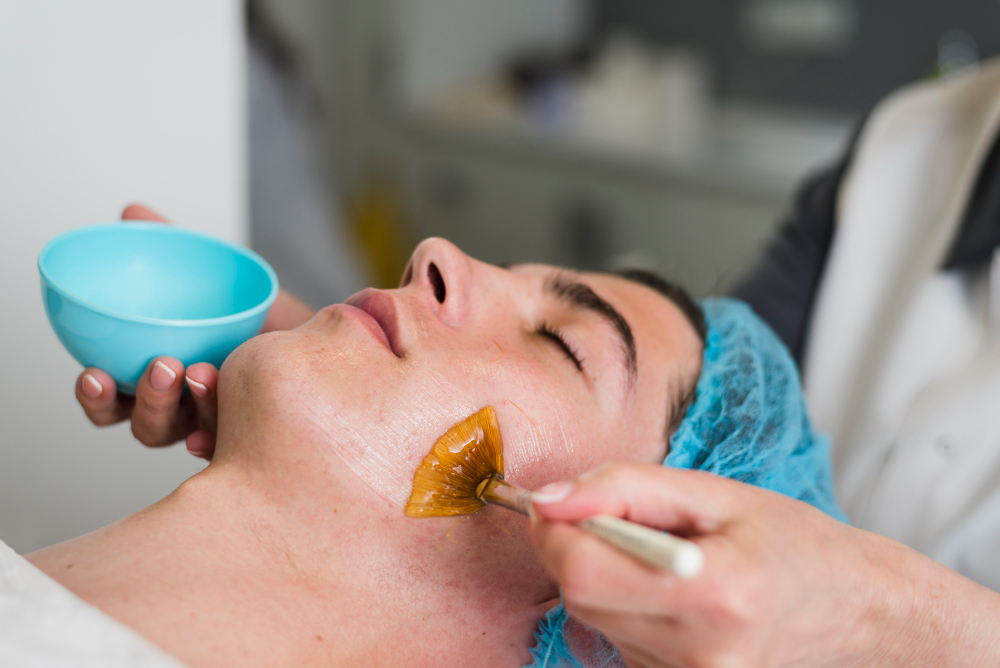
Chemical peels are a popular way to refresh your skin. Many people choose them to help improve skin texture and tone. If you want smoother, brighter skin, chemical peels may be a safe skin rejuvenation treatment to consider. In this blog, you will learn how chemical peels improve skin texture and tone, what to expect, and how to get the best results.
What Are Chemical Peels?
Chemical peels use special solutions to remove the top layers of your skin. This process helps reveal new, healthy skin underneath. Because the old skin is removed, your face can look smoother and more even. Dermatologists often use chemical peels to treat fine lines, uneven skin tone, and mild scars. Chemical peel benefits for skin include brighter, softer, and clearer skin.
How Chemical Peels Improve Skin Texture
Many people notice rough patches or bumps on their skin. Chemical peels help by gently removing these uneven layers. As a result, your skin feels softer and looks smoother. For example, peels can reduce the look of fine lines and mild acne scars. Over time, regular treatments can help keep your skin’s surface even and fresh.
How Chemical Peels Enhance Skin Tone
Uneven skin tone can make your face look dull or blotchy. Chemical peels improve uneven skin tone by fading dark spots and reducing redness. After a peel, new skin cells grow and replace the old, damaged ones. This process helps your skin look brighter and more balanced. In addition, peels can help with sun spots and age spots.
Types of Chemical Peels
What to Expect During and After Treatment
Before your peel, your dermatologist will clean your skin. Then, they will apply the chemical solution. You may feel tingling or mild burning for a few minutes. After the peel, your skin may look red or feel tight. Peeling or flaking is common for a few days. However, most people can return to normal activities soon. Always follow your doctor’s aftercare instructions for the best results.
Benefits and Potential Risks
But, there are some risks. These include redness, swelling, or changes in skin color. Rarely, infection or scarring can occur. Therefore, it is important to choose a trained dermatologist for your treatment.
Who Should Consider Chemical Peels?
Chemical peels are good for people with mild wrinkles, uneven skin tone, or rough skin. If you have sun damage, acne scars, or age spots, you may benefit from a peel. However, not everyone is a good candidate. People with certain skin conditions or darker skin types should talk to a dermatologist first. This helps avoid unwanted side effects.
Tips for Safe and Effective Results
Prevention and Maintenance for Healthy Skin
After a chemical peel, you can keep your skin healthy by following a gentle routine. For example, use a mild cleanser and moisturizer. Always wear sunscreen to protect your new skin. In addition, avoid harsh products or scrubs for a few days. Regular visits to your dermatologist can help you maintain your results and prevent future skin problems.
In summary, chemical peels are a safe and effective way to improve skin texture and tone. If you want to learn more, consult a board-certified dermatologist to find out if chemical peels are right for your skin needs.